Since 2020, Dawn has conducted an annual online survey to gauge people’s expectations for the year ahead. Following the sharp decline in personal and economic optimism during the pandemic years, people’s spirits have been steadily recovering. However, amid macroeconomic stabilisation and all that it entails, enthusiasm has dipped. While people still view their future as brighter than the economy, there is a downward trend both in personal and macroeconomic expectations.
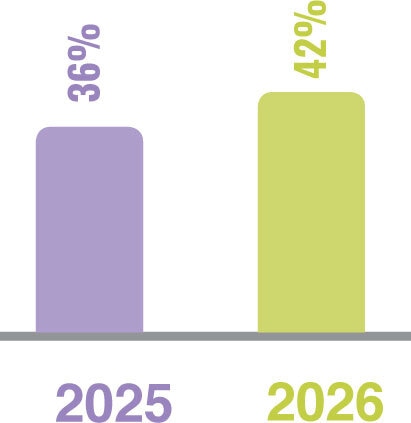
Migration expectations
This growing unease is mirrored in migration trends, with 42 per cent of respondents indicating they expect to migrate in 2026, up from 36pc last year, an alarmingly high number that speaks volumes about brain drain. Not surprising given that the expectations that jobs will increase in the next year have fallen to an abysmal 19pc from 30pc last year.
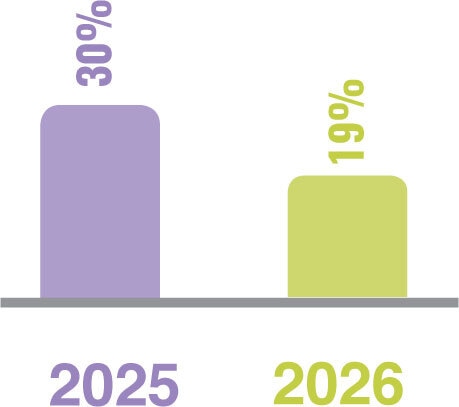
Expectation that jobs will increase
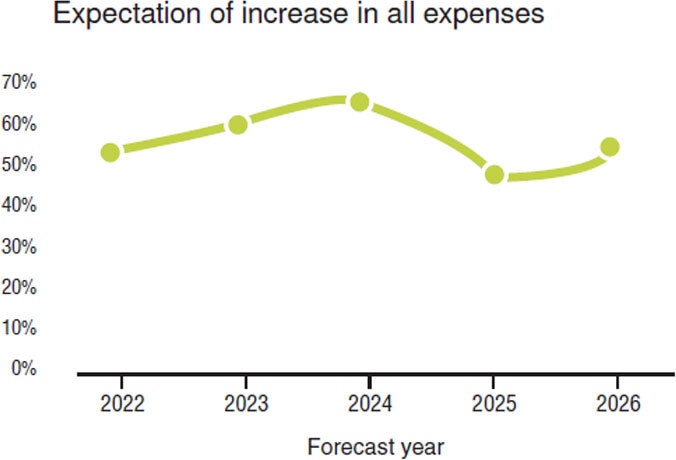
Cost-of-living concerns also remain a primary driver of pessimism. Roughly, 54pc of respondents expect their expenses to rise in the coming year. This represents a notable shift in sentiment; after the hyper-inflationary years following the pandemic, many had hoped for a reprieve in 2025.
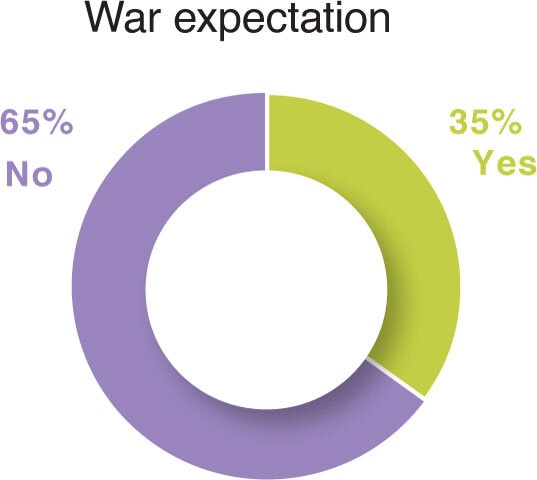
War expectation
With household budgets under pressure, 44pc of respondents report having no investments at all. For those who do manage to save, the Pakistan Stock Exchange and traditional savings accounts remain the preferred avenues for wealth preservation.
With 65pc of respondents not expecting war, public anxieties appear to be driven more by economic pressures than by geopolitical fears, even as regional tensions continue to loom in the background.
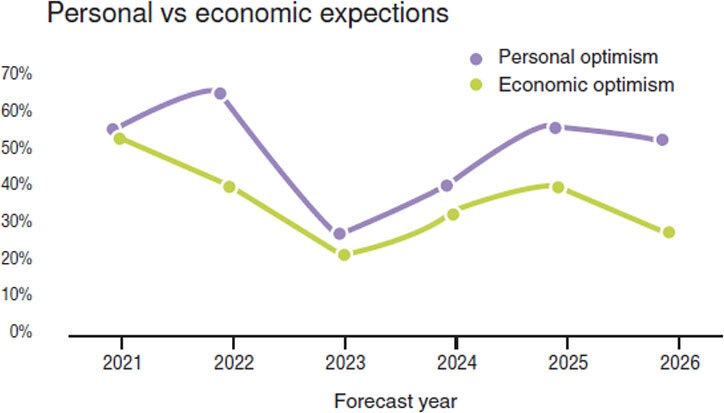
Forecast year
Taken together, the data suggest that while macroeconomic stability may have returned, economic confidence at the household level remains fragile, constrained by weak job prospects, persistent cost pressures, and a growing desire to seek opportunity elsewhere.
Forecast year